For decades, watch enthusiasts and collectors have engaged in a passionate debate: the enduring rivalry of Rolex vs. Omega. Both Swiss powerhouses represent the pinnacle of haute horlogerie, blending rich heritage with cutting-edge engineering. For many, navigating the choice between these top luxury watch brands can be daunting, a decision steeped in personal preference and horological appreciation.
To truly understand this iconic rivalry, there is no better battleground than the deep blue sea. By placing the Rolex Submariner vs. Omega Seamaster side by side, we can distil the essence of what makes each brand so formidable. These two iconic timepieces are arguably the most famous and desired luxury dive watches in the world.
Whether you are seeking a robust companion for everyday life, a significant investment, or an heirloom to pass down through generations, this comprehensive guide will help you decide which legendary diver deserves a place on your wrist, offering unparalleled insights for the UK buyer.
Before diving into the intricate specifications of the watches themselves, it is essential to understand the overarching brand philosophies. When comparing Rolex and Omega prestige, you are examining two distinct approaches that have shaped the modern watch industry.
Rolex has meticulously built its reputation on evolutionary design, unrelenting consistency, and an aura of understated exclusivity. An unwavering focus on creating robust, reliable tool watches has cemented Rolex's status as a global symbol of success, luxury, and lasting value.
Omega, on the other hand, embraces a spirit of relentless technical innovation and cinematic flair. It is famously the watch of James Bond, the official timekeeper of the Olympic Games, and a pioneer in space exploration – notably, the first watch worn on the Moon. To grasp the full scope of their rivalry, one only needs to glance at the Rolex Daytona vs. Omega Speedmaster history: while Rolex dominated motorsport with the Daytona, Omega famously passed NASA’s rigorous testing to become the 'Moonwatch' with the Speedmaster.
This spirit of competition has consistently driven both brands to produce some of the finest and most iconic timepieces ever made, each with a unique narrative.
For a quick overview, here's how the Rolex Submariner and Omega Seamaster Professional Diver 300M typically stack up in key areas:
When we drill down into the specifics, comparing Omega Seamaster vs. Rolex Submariner features reveals two distinctly brilliant approaches to the modern luxury dive watch. Both timepieces boast highly legible dials, robust cases, and unidirectional rotating bezels, essential for safe diving. However, their execution and specific technical innovations offer unique propositions.
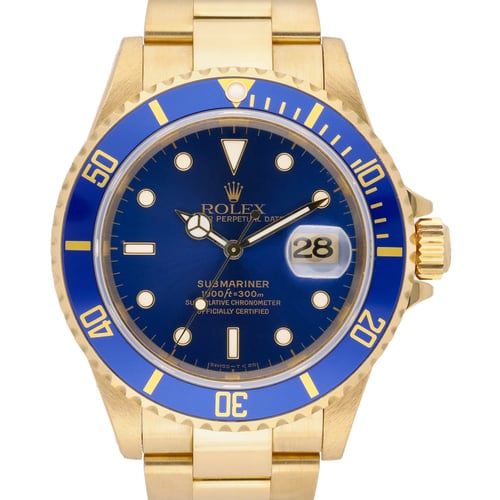
The aesthetic differences between the Rolex Submariner and Omega Seamaster are striking. The Rolex Submariner is the archetype of the luxury dive watch, boasting a clean, unembellished dial, iconic 'Mercedes' hands, and a sleek, proportioned profile that effortlessly transitions from a wetsuit to a tailored dinner jacket. Its design purity is a testament to its 'form follows function' ethos, maintaining a visually consistent identity for over half a century.
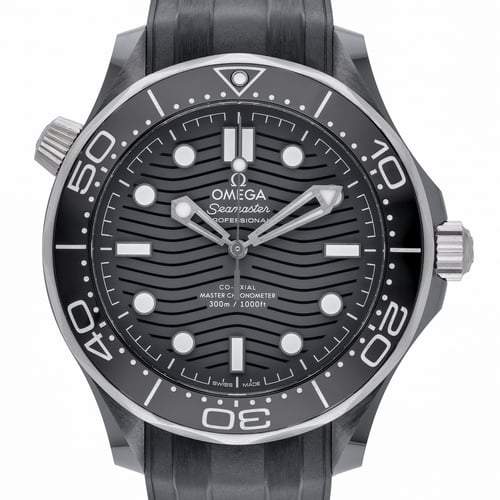
The Omega Seamaster Professional Diver 300M offers a more detailed and arguably sportier aesthetic. Its signature laser-engraved wave dial, skeletonised hands, and prominent helium escape valve at 10 o'clock give it an inherently technical, maritime feel. This design is bolder, more modern, and highly recognisable, appealing to those who prefer a watch with a distinct personality.
A critical point of divergence lies in their metallurgy. When evaluating 904L steel vs. 316L stainless steel durability, Rolex has a distinct edge in lustre and corrosion resistance. Rolex manufactures its own proprietary 904L steel, dubbed 'Oystersteel', which is commonly used in aerospace and chemical industries due to its superior resistance to pitting and corrosion, particularly in saltwater environments. It takes a brilliant, almost white-gold-like polish. Omega, on the other hand, utilises 316L surgical-grade stainless steel – the industry standard. While 316L is exceptionally durable and arguably slightly less prone to surface scratching than 904L, it lacks the unique gleam and enhanced corrosion resistance that defines a modern Rolex. Both brands employ ceramic bezels, offering excellent scratch resistance and fade protection.
To truly appreciate the value of these timepieces, one must look beneath the case back. Both brands excel in in-house movement accuracy and reliability, but they achieve these benchmarks through distinct philosophical and technological approaches.
Rolex typically relies on its highly refined Swiss lever escapement, meticulously crafted and tested. Modern Rolex Submariner models, such as those featuring the Calibre 3235, undergo stringent in-house certification after COSC chronometer testing, earning their 'Superlative Chronometer' status with an impressive accuracy of -2/+2 seconds per day.
Omega, meanwhile, uses the innovative Co-Axial escapement, originally developed by horological legend George Daniels. By significantly reducing friction within the movement, the Co-Axial escapement requires less lubrication, can offer longer service intervals, and provides improved long-term stability and precision. Modern Omega Seamaster Professional Diver 300M models, powered by movements like the Co-Axial Master Chronometer Calibre 8800, showcase this technology.
The brands also differ in their testing standards beyond COSC. Omega goes further by submitting its movements to rigorous METAS testing. To achieve 'Master Chronometer' status, Seamaster models must pass a series of intensive tests, including resistance to magnetic fields up to 15,000 gauss. This exceptional anti-magnetic performance helps protect accuracy in a modern world filled with smartphones, laptops, and other electronic devices, offering a practical advantage for daily wearers.
For many luxury watch buyers in the UK, the discussion of Rolex Submariner vs. Omega Seamaster inevitably leads to price and long-term value. While both are significant investments, their market dynamics differ considerably:
Ultimately, the choice between a Rolex Submariner and an Omega Seamaster often boils down to how the watch fits into your lifestyle and personal preferences. When determining the best luxury watch for daily wear, consider the following practical elements:
The battle of the Rolex Submariner vs. Omega Seamaster is a testament to the incredible heights of Swiss watchmaking. There is no objectively 'wrong' choice, only the choice that best aligns with your personal values, aesthetic preferences, and investment considerations.
If your priority is unmatched brand recognition, a timeless design that has barely altered in half a century, and ironclad financial retention, the Rolex Submariner is often considered to be in a league of its own. It is the definitive status symbol, and while authorised dealer waitlists can be notoriously long, reputable pre-owned watch specialists like BQ Watches offer a practical way to secure the model you want without the uncertainty of waiting.
If you seek cutting-edge horological technology, a bolder design with a distinct personality, exceptional anti-magnetic properties, and fantastic value on the secondary market, the Omega Seamaster Professional Diver 300M presents a compelling alternative. It is a watch celebrated for its innovation and robust performance.
Ultimately, both watches offer impeccable quality and a rich diving heritage. Your decision will reflect whether you favour Rolex's evolutionary tradition and investment security or Omega's innovative spirit and bold design. At BQ Watches, we offer an exquisite selection of both pre-owned Rolex Submariner and Omega Seamaster models, verified for authenticity and ready to begin their next chapter with you. Explore our collection online or visit our London showroom for expert advice.