Rolex UK Price Increases 2026
Why Buyers Are Turning to the Secondary Market

By: Louise Henry Published: 12 January 2026

Rolex has once again increased UK retail prices for 2026, continuing a long-running trend that has reshaped the luxury watch market over the past decade. While annual price rises have become expected, the latest adjustments underline an important reality for buyers: owning a new Rolex at retail is becoming significantly more expensive year on year.

With updated prices now in effect across the UK, we explore what’s changed, why prices continue to rise, and why many buyers are choosing the secondary market as a smarter alternative.

Rolex Price Increase UK 2026: The Key Facts


For 2026, Rolex has applied average UK price increases of approximately 5% across most of its collections, continuing a long-established pattern of steady annual adjustments. While the precise rise varies depending on the specific model and materials used, the overall direction is unmistakable and consistent across the brand’s portfolio.

Stainless steel Rolex sports models - including the Submariner, GMT-Master II and Daytona, - have typically increased by around 5%, maintaining their position as some of the most in-demand watches in the world. Gold and two-tone Rolex watches have seen slightly larger increases of approximately 6–7%, reflecting both higher precious metal costs and Rolex’s premium positioning. Importantly, even entry-level models such as the Oyster Perpetual have moved upwards, underlining that no part of the range has been left untouched by the latest adjustments.

While these increases may appear modest when viewed as percentages, their real-world impact is more significant. On many popular references, the changes amount to several hundred pounds, and for precious metal models, the increase can stretch into the thousands. As a result, Rolex ownership at retail is becoming progressively more expensive for UK buyers.

UK Rolex Prices: 2025 vs 2026 Comparison

Rolex ModelApprox 2025 UK RRPApprox 2026 UK RRPIncrease
Submariner (Stainless Steel)£8,100£8,500~5%
GMT-Master II (Steel)£9,600£10,080~5%
Daytona (Steel)£13,600£14,300~5%
Datejust 41 (Steel / White Gold)£9,700£10,200~5%
Oyster Perpetual (Steel)£5,900£6,200~5%
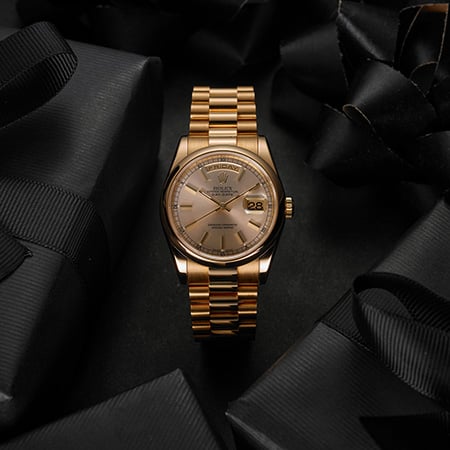
Day-Date (Precious Metal)£30,000£31,900~6–7%

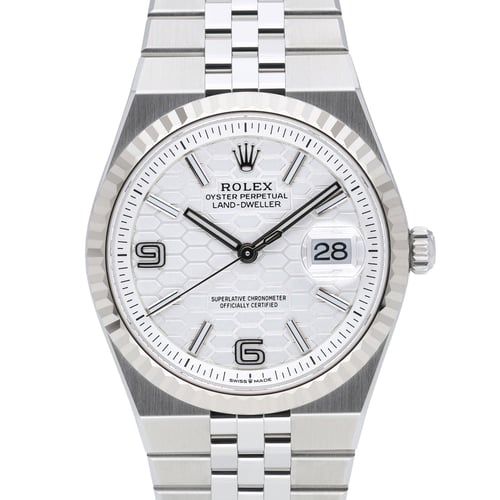
ROLEX LAND-DWELLER 36

Why Does Rolex Keep Raising Prices?

Rolex price rises are rarely driven by a single factor. Instead, they reflect a combination of market forces and long-term brand strategy:

Rising Production Costs

Gold prices remain historically high, increasing manufacturing costs for precious-metal and two-tone Rolex watches.

Currency Fluctuations

The strength of the Swiss franc against sterling plays a major role in how UK retail prices are set.

Brand Positioning

Rolex favours steady, controlled annual increases to protect brand value, manage demand and support residual prices across both retail and resale markets.